
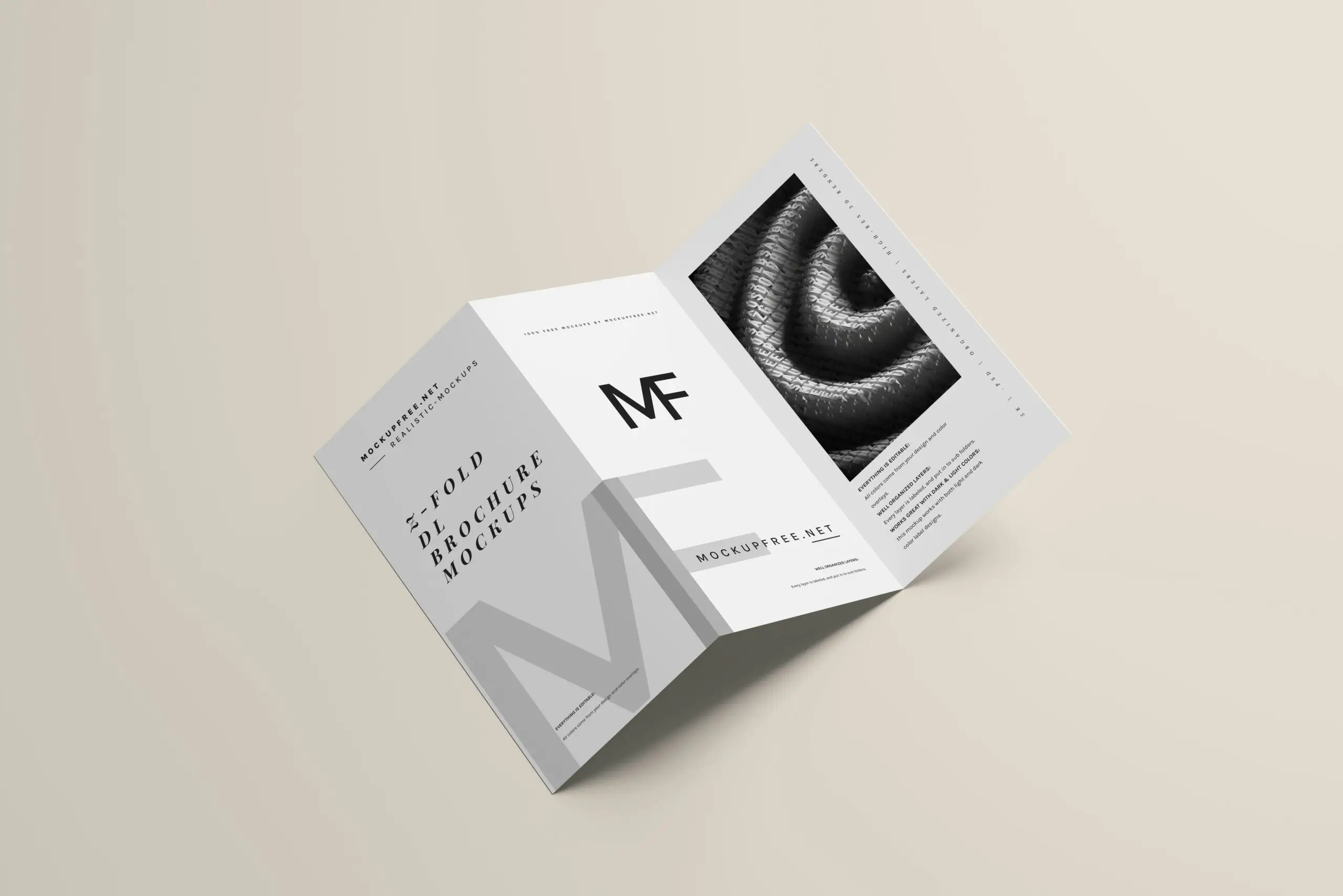
When embarking on the journey of creating a DL brochure, it is essential to grasp the significance of its size and format. The DL size, which measures 99mm x 210mm, is a popular choice for many businesses due to its convenient dimensions. This format is particularly advantageous for mailing purposes, as it fits perfectly into a standard envelope, making it an ideal option for direct mail campaigns. By understanding the practicalities of this size, you can leverage its benefits to enhance your marketing efforts.
Moreover, the format of your DL brochure can influence how your content is presented. A tri-fold design is commonly used, allowing for a natural flow of information as the reader unfolds the brochure. This layout not only provides a structured approach to presenting your message but also creates an engaging experience for the reader. As you consider the size and format, think about how you can utilise the space effectively to capture attention and convey your message succinctly.
Choosing the Right Typography and Colour Scheme
Typography and colour scheme play a pivotal role in the overall aesthetic of your DL brochure. Selecting the right fonts can significantly impact readability and the emotional response of your audience. You should aim for a balance between style and legibility; while decorative fonts can add flair, they must not compromise clarity. Consider using a combination of serif and sans-serif fonts to create a hierarchy that guides the reader through your content. For instance, a bold sans-serif font for headings paired with a clean serif font for body text can create an appealing contrast that draws attention.
In addition to typography, your colour scheme should reflect your brand identity while also resonating with your target audience. Colours evoke emotions and can influence perceptions, so it’s crucial to choose hues that align with your message. For example, blue often conveys trust and professionalism, while green can signify growth and sustainability. You might want to limit your palette to three or four complementary colours to maintain visual coherence throughout the brochure. By thoughtfully selecting typography and colours, you can create a visually striking brochure that effectively communicates your brand’s essence.
Incorporating High-Quality Images and Graphics
The visual elements of your DL brochure are just as important as the text. High-quality images and graphics can elevate your design, making it more engaging and memorable. When selecting images, opt for those that are relevant to your content and resonate with your audience. Stock photos can be a convenient option, but consider investing in custom photography that showcases your products or services in a unique light. Authentic images can create a stronger connection with potential customers, enhancing their trust in your brand.
Graphics also play a crucial role in breaking up text and adding visual interest. Infographics, charts, and icons can help convey complex information in an easily digestible format. When incorporating these elements, ensure they align with your overall design aesthetic and do not overwhelm the reader. Strive for a harmonious balance between text and visuals; this will not only enhance readability but also create a more enjoyable experience for those engaging with your brochure.
Organising Content and Information Effectively
Effective organisation of content is vital in ensuring that your DL brochure communicates its message clearly. Start by outlining the key points you wish to convey, prioritising information based on its importance to your audience. A logical flow will guide readers through your brochure seamlessly, allowing them to absorb information without feeling overwhelmed. Consider using headings and subheadings to break up sections, making it easier for readers to navigate through the content.
Additionally, employing bullet points or numbered lists can help highlight essential information succinctly. This approach not only improves readability but also allows readers to quickly grasp key messages at a glance. Remember that white space is equally important; it provides breathing room for your content and prevents the design from feeling cluttered. By thoughtfully organising your content, you can create a brochure that is both informative and visually appealing.
Utilising Professional Printing and Finishing Techniques
Once you have finalised your design, the next step is to consider professional printing and finishing techniques that will enhance the quality of your DL brochure. Opting for high-quality printing services ensures that colours are vibrant and details are crisp, which is crucial for making a lasting impression on potential customers. Discussing paper options with your printer is also essential; thicker paper stocks often convey a sense of quality and professionalism that lighter stocks may lack.
Finishing techniques such as gloss or matte lamination can further elevate the look and feel of your brochure. Gloss finishes tend to enhance colour vibrancy and provide a sleek appearance, while matte finishes offer a more understated elegance. Additionally, consider special features like embossing or foil stamping to add tactile elements that engage readers on multiple sensory levels. By investing in professional printing and finishing techniques, you can ensure that your DL brochure stands out in a competitive market.
Creating a Strong Call to Action
A strong call to action (CTA) is crucial in guiding readers towards the next steps you want them to take after engaging with your DL brochure. Whether it’s visiting your website, calling for more information, or signing up for a newsletter, your CTA should be clear, compelling, and easy to follow. Use action-oriented language that encourages immediate response; phrases like “Get in touch today” or “Discover more now” can create a sense of urgency that motivates readers to act.
Placement of the CTA is equally important; it should be prominently featured within the brochure so that it catches the reader’s eye without being intrusive. Consider using contrasting colours or bold typography to make it stand out from the rest of the content. Additionally, providing multiple ways for readers to engage with you—such as including social media handles or QR codes—can cater to different preferences and increase the likelihood of interaction. By crafting an effective call to action, you can drive engagement and conversions from your DL brochure.
Ensuring Consistency with Branding and Design Elements
Consistency in branding and design elements is vital for creating a cohesive identity across all marketing materials, including your DL brochure. Your brochure should reflect your brand’s personality through consistent use of logos, colours, fonts, and imagery. This not only reinforces brand recognition but also builds trust with your audience; when they see familiar elements, they are more likely to feel connected to your brand.
To maintain consistency, develop brand guidelines that outline how various elements should be used across different platforms. This includes specifications for logo placement, colour codes, font styles, and image usage. By adhering to these guidelines when designing your DL brochure, you ensure that it aligns seamlessly with other marketing collateral, creating a unified brand experience for customers. Consistency in branding fosters familiarity and loyalty among consumers, making it an essential aspect of effective marketing.
Tips for Working with a Professional Designer
Collaborating with a professional designer can significantly enhance the quality of your DL brochure, but effective communication is key to achieving the desired outcome. Begin by clearly articulating your vision and objectives; provide examples of brochures you admire or specific elements you wish to incorporate. This will give the designer a solid understanding of your expectations and help them translate your ideas into a tangible design.
Additionally, be open to feedback from the designer; their expertise can provide valuable insights into what works best from a design perspective. Trusting their judgement while maintaining an open dialogue will lead to a more successful collaboration. Regular check-ins throughout the design process can also ensure that you remain aligned on goals and timelines. By fostering a positive working relationship with your designer, you can create a stunning DL brochure that effectively represents your brand and resonates with your audience.
In conclusion, creating an impactful DL brochure involves careful consideration of various elements—from size and format to typography and imagery. By understanding these components and working collaboratively with professionals when necessary, you can produce a brochure that not only captures attention but also drives engagement and conversions for your business.