
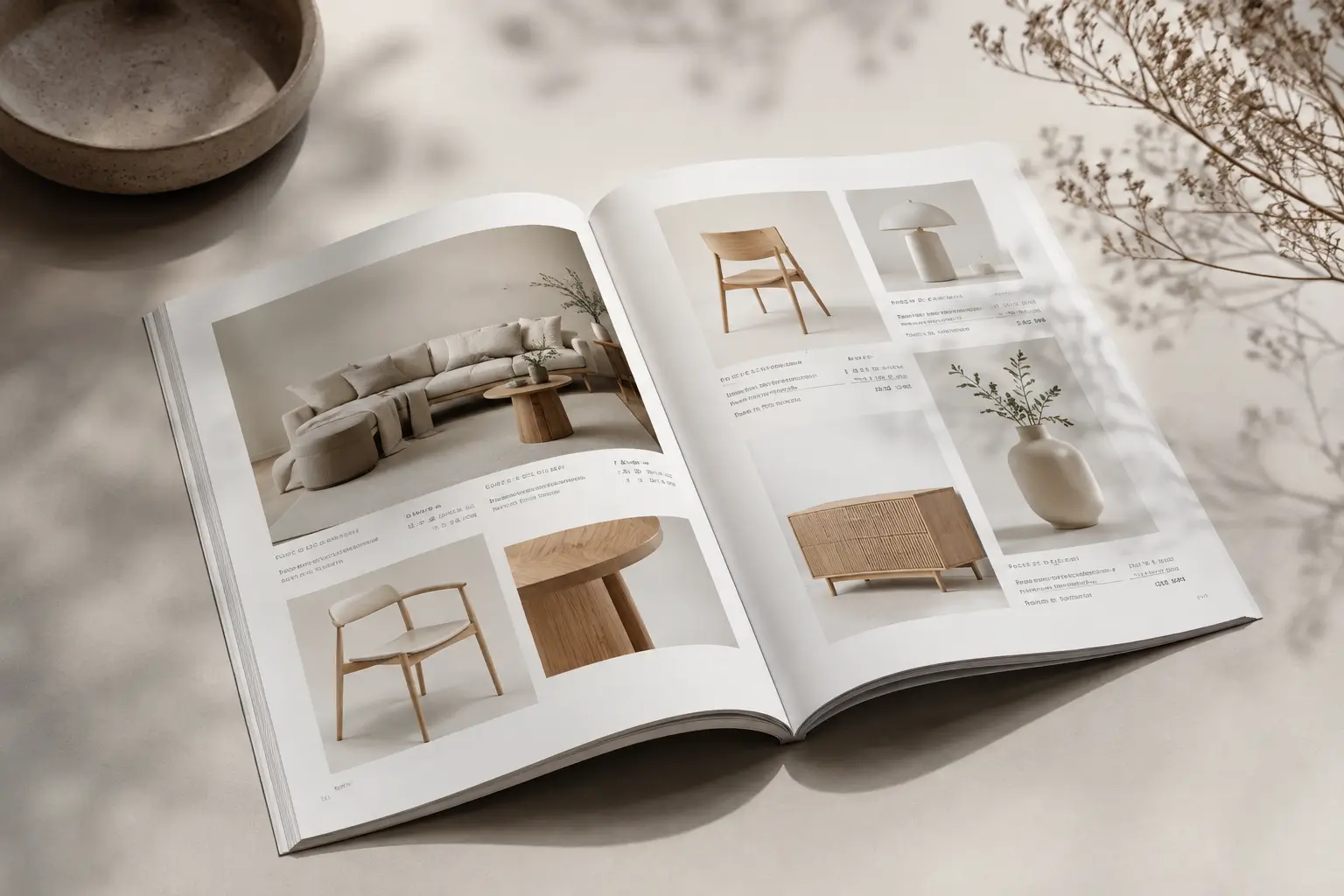
To create a successful catalogue, you must first understand your target audience. This involves identifying the demographics that define your potential customers, such as age, gender, income level, and geographic location. By gathering this information, you can tailor your content to resonate with the specific needs and preferences of your audience. For instance, if your catalogue is aimed at young professionals, you might focus on sleek, modern designs and products that cater to their busy lifestyles. Conversely, if your audience consists of families, you may want to highlight practicality and value in your offerings.
In addition to demographics, it is crucial to delve into the psychographics of your audience. This includes their interests, values, and lifestyle choices. Understanding what motivates your audience can help you craft messages that speak directly to them. For example, if your target market values sustainability, you could emphasise eco-friendly products and practices in your catalogue. By aligning your content with the preferences of your audience, you can create a more engaging and relevant experience that encourages them to explore further.
Creating a Compelling Cover: Designing an Eye-Catching Front Page to Grab Attention
The cover of your catalogue serves as the first impression for potential readers, making it essential to design an eye-catching front page. You want to create a visual that not only attracts attention but also encapsulates the essence of what lies within. Consider using bold colours and striking imagery that reflect your brand identity while appealing to your target audience. A well-designed cover can entice readers to pick up the catalogue and delve deeper into its contents.
In addition to visuals, the typography on your cover plays a significant role in conveying your message. Choose fonts that are not only aesthetically pleasing but also legible from a distance. The title should be prominent and easy to read, while any additional text should complement the overall design without overwhelming it. Remember that the cover is not just about aesthetics; it should also communicate the value of what you are offering. A compelling tagline or a brief description can provide context and encourage readers to engage with the catalogue.
Organising Content: Structuring the Catalogue for Easy Navigation and Information Retrieval
Once you have captured the reader’s attention with a stunning cover, the next step is to ensure that the content is organised in a way that facilitates easy navigation. A well-structured catalogue allows readers to find information quickly and efficiently, enhancing their overall experience. Start by creating a clear table of contents that outlines the sections and categories within the catalogue. This will serve as a roadmap for readers as they explore your offerings.
In addition to a table of contents, consider using headings and subheadings throughout the catalogue to break up text and guide readers through different sections. This not only makes it easier for them to locate specific information but also helps maintain their interest as they skim through the pages. Consistent formatting across sections will further enhance readability, allowing readers to focus on the content rather than getting lost in a cluttered layout.
Utilising Visual Hierarchy: Using Design Elements to Guide the Reader’s Attention
Visual hierarchy is a fundamental principle in design that helps guide the reader’s attention through your catalogue. By strategically using design elements such as size, colour, and placement, you can create a flow that directs readers to the most important information first. For instance, larger images or bold headings can draw attention to key products or promotions, while smaller text can be used for supplementary details.
Incorporating contrasting colours can also enhance visual hierarchy. By using a bold colour for headings and a more subdued palette for body text, you can create a clear distinction between different levels of information. This not only makes it easier for readers to navigate but also emphasises critical points that you want them to remember. Ultimately, effective use of visual hierarchy ensures that your catalogue is not only aesthetically pleasing but also functional.
Incorporating Call-to-Actions: Encouraging Readers to Take the Next Step
A catalogue should do more than just showcase products; it should also encourage readers to take action. Incorporating clear call-to-actions (CTAs) throughout your catalogue is essential for guiding readers towards the next steps you want them to take. Whether it’s visiting your website, making a purchase, or signing up for a newsletter, CTAs should be strategically placed in areas where they are most likely to capture attention.
When crafting CTAs, be sure to use action-oriented language that creates a sense of urgency or excitement. Phrases like “Shop Now,” “Discover More,” or “Join Us Today” can motivate readers to engage further with your brand. Additionally, consider using buttons or highlighted text to make CTAs stand out visually. By making it easy for readers to understand what you want them to do next, you increase the likelihood of converting interest into action.
Balancing Text and Imagery: Finding the Right Mix for an Engaging Catalogue
An engaging catalogue strikes a balance between text and imagery, ensuring that neither element overwhelms the other. While compelling visuals can capture attention and evoke emotions, informative text provides context and details that help readers make informed decisions. To achieve this balance, consider using high-quality images that complement your text rather than distract from it.
When incorporating images, think about how they relate to the accompanying text. For example, if you’re showcasing a product, include images that highlight its features or demonstrate its use in real-life scenarios. This not only enhances understanding but also creates a more immersive experience for readers. Additionally, be mindful of white space; allowing for breathing room around text and images can prevent clutter and improve overall readability.
Consistency in Branding: Maintaining a Unified Design Language Throughout the Catalogue
Consistency in branding is vital for creating a cohesive catalogue that reflects your brand identity. From colour schemes and typography to imagery styles and tone of voice, every element should align with your overall branding strategy. This consistency not only reinforces brand recognition but also builds trust with your audience.
To maintain a unified design language throughout your catalogue, develop brand guidelines that outline how various elements should be used. This includes specifications for colours, fonts, logo placement, and imagery styles. By adhering to these guidelines, you ensure that every page of your catalogue feels like an extension of your brand rather than a disjointed collection of content. A consistent approach fosters familiarity and comfort among readers, encouraging them to engage more deeply with your offerings.
Testing and Iterating: Gathering Feedback and Making Improvements for Maximum Impact
The final step in creating an effective catalogue is testing and iterating based on feedback from your audience. Once you’ve developed a draft version of your catalogue, consider sharing it with a select group of individuals who represent your target audience. Their insights can provide valuable information about what works well and what may need improvement.
Be open to constructive criticism and willing to make adjustments based on feedback received. This iterative process allows you to refine your catalogue until it resonates with your audience effectively. Additionally, consider tracking engagement metrics once the catalogue is published; analysing how readers interact with it can provide further insights for future iterations. By continuously testing and improving your catalogue design and content, you can ensure maximum impact and relevance in an ever-evolving market landscape.
In conclusion, creating an engaging catalogue requires careful consideration of various elements ranging from understanding your target audience to maintaining consistency in branding. By focusing on these key areas and being open to feedback and iteration, you can develop a catalogue that not only captures attention but also drives action and fosters lasting connections with your audience.