
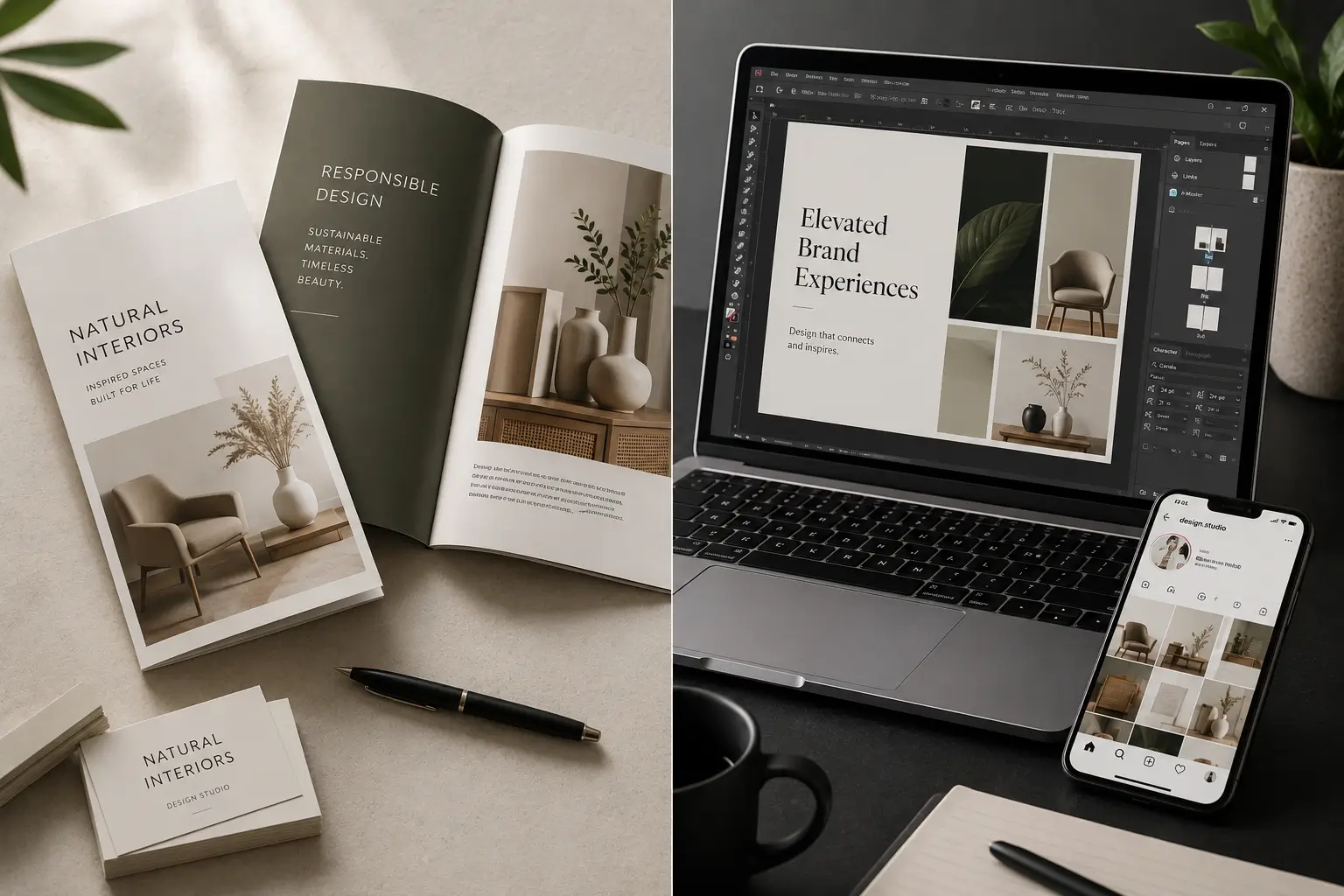
In the ever-evolving landscape of design, the choice between print and digital mediums is a pivotal one. As you navigate this decision, it’s essential to grasp the fundamental differences that set these two formats apart. Print design, with its tangible nature, offers a sensory experience that digital design often cannot replicate. The feel of paper, the weight of a brochure, or the glossy finish of a magazine can evoke emotions and create lasting impressions. On the other hand, digital design thrives on immediacy and interactivity, allowing for dynamic content that can engage users in ways that static print cannot.
As you delve deeper into the world of design, you will find that each medium has its unique strengths and weaknesses. Print design often conveys a sense of permanence and credibility, making it an excellent choice for formal communications or high-end branding. Conversely, digital design is characterised by its flexibility and adaptability, enabling you to reach a broader audience through various online platforms. Understanding these distinctions will empower you to make informed decisions that align with your objectives and resonate with your target audience.
Considerations for Print Design: Pros and Cons
When considering print design, you must weigh its advantages against its limitations. One of the most significant benefits of print is its ability to create a physical connection with the audience. A well-designed business card or brochure can leave a lasting impression, serving as a tangible reminder of your brand. Additionally, print materials can be strategically placed in locations where your target audience frequents, enhancing visibility and engagement. The tactile experience of holding a printed piece can also foster a sense of trust and authenticity that digital formats sometimes struggle to achieve.
However, print design is not without its drawbacks. The production costs associated with printing can be substantial, especially for small runs or high-quality materials. Furthermore, once printed, any changes or updates require reprinting, which can be both time-consuming and costly. In an age where information is constantly evolving, this lack of flexibility can be a significant disadvantage. Additionally, print materials have a limited reach compared to digital formats, which can be shared and disseminated globally with just a few clicks.
Considerations for Digital Design: Pros and Cons
Digital design presents a myriad of opportunities that can significantly enhance your marketing efforts. One of the most compelling advantages is the ability to reach a vast audience instantly. With the right digital strategy, your content can go viral, spreading across social media platforms and reaching potential customers far beyond your immediate geographical area. Moreover, digital design allows for real-time updates and modifications, ensuring that your content remains relevant and accurate without incurring additional costs.
Nevertheless, digital design also comes with its own set of challenges. The sheer volume of content available online means that standing out can be an uphill battle. You must invest time and resources into search engine optimisation (SEO) and social media marketing to ensure your designs are seen by your target audience. Additionally, the ephemeral nature of digital content can lead to a lack of permanence; users may scroll past your designs without giving them a second thought. This transient quality can make it difficult to create lasting impressions compared to the more enduring nature of print materials.
Target Audience: Which Format is Best Suited for Your Audience?
Understanding your target audience is crucial when deciding between print and digital design. Different demographics may respond more favourably to one format over the other. For instance, if your audience consists primarily of older individuals who may not be as tech-savvy, print materials might resonate more effectively. They may appreciate the tactile experience of holding a brochure or reading a magazine rather than navigating through a website or app.
Conversely, if your target audience is younger and more digitally inclined, digital design may be the way to go. This demographic is accustomed to consuming content online and may prefer interactive elements such as videos or animations that digital platforms can offer. By analysing your audience’s preferences and behaviours, you can tailor your design approach to ensure maximum engagement and effectiveness.
Budget and Time Constraints: How They Impact Your Decision
Budgetary considerations play a significant role in determining whether print or digital design is the right choice for you. Print materials often require upfront investment in terms of design, production, and distribution costs. If you have a limited budget, you may find that digital design offers more cost-effective solutions. With various online tools available for creating graphics and content, you can produce high-quality designs without breaking the bank.
Time constraints also factor into your decision-making process. Print design typically involves longer lead times due to the production process, which includes printing and shipping. If you need to launch a campaign quickly or respond to market changes in real-time, digital design provides the agility necessary to adapt swiftly. By weighing your budget and time limitations against your design needs, you can make an informed choice that aligns with your overall strategy.
Branding and Marketing: Which Format Best Aligns with Your Brand Strategy?
Your brand strategy should guide your decision between print and digital design. If your brand identity leans towards traditional values or luxury aesthetics, print materials may enhance your image by conveying a sense of sophistication and permanence. High-quality brochures or elegantly designed business cards can reinforce your brand’s commitment to quality and attention to detail.
On the other hand, if your brand is modern and innovative, digital design may better reflect your ethos. The ability to incorporate interactive elements into your designs can showcase your brand’s forward-thinking approach and engage users in unique ways. Additionally, digital platforms allow for more frequent updates and iterations, enabling you to keep your branding fresh and relevant in an ever-changing market landscape.
Environmental Impact: How Your Design Choice Affects the Environment
In today’s world, environmental considerations are becoming increasingly important in decision-making processes across various industries. When choosing between print and digital design, it’s essential to consider the environmental impact of each format. Print materials often require paper production, which can contribute to deforestation and waste if not sourced sustainably. However, advancements in eco-friendly printing techniques and materials are making it possible to create printed products with a reduced environmental footprint.
Digital design, while seemingly more environmentally friendly due to its lack of physical materials, also has its drawbacks. The energy consumption associated with data centres and electronic devices contributes to carbon emissions. As you evaluate your options, consider how each format aligns with your commitment to sustainability. By choosing eco-conscious practices in either medium—such as using recycled paper for print or optimising digital content for energy efficiency—you can make a positive impact on the environment while still achieving your design goals.
Making the Best Decision for Your Design Needs
Ultimately, the decision between print and digital design hinges on various factors unique to your situation. By carefully considering the pros and cons of each format alongside your target audience’s preferences, budget constraints, branding strategy, and environmental impact, you can make an informed choice that best suits your needs. Remember that both mediums have their place in the world of design; often, a hybrid approach that incorporates elements from both print and digital can yield the most effective results.
As you embark on your design journey, keep in mind that understanding the nuances between print and digital will empower you to create compelling content that resonates with your audience. Whether you opt for the tactile allure of print or the dynamic nature of digital design, ensuring that your choices align with your overall objectives will ultimately lead to success in achieving your goals.