
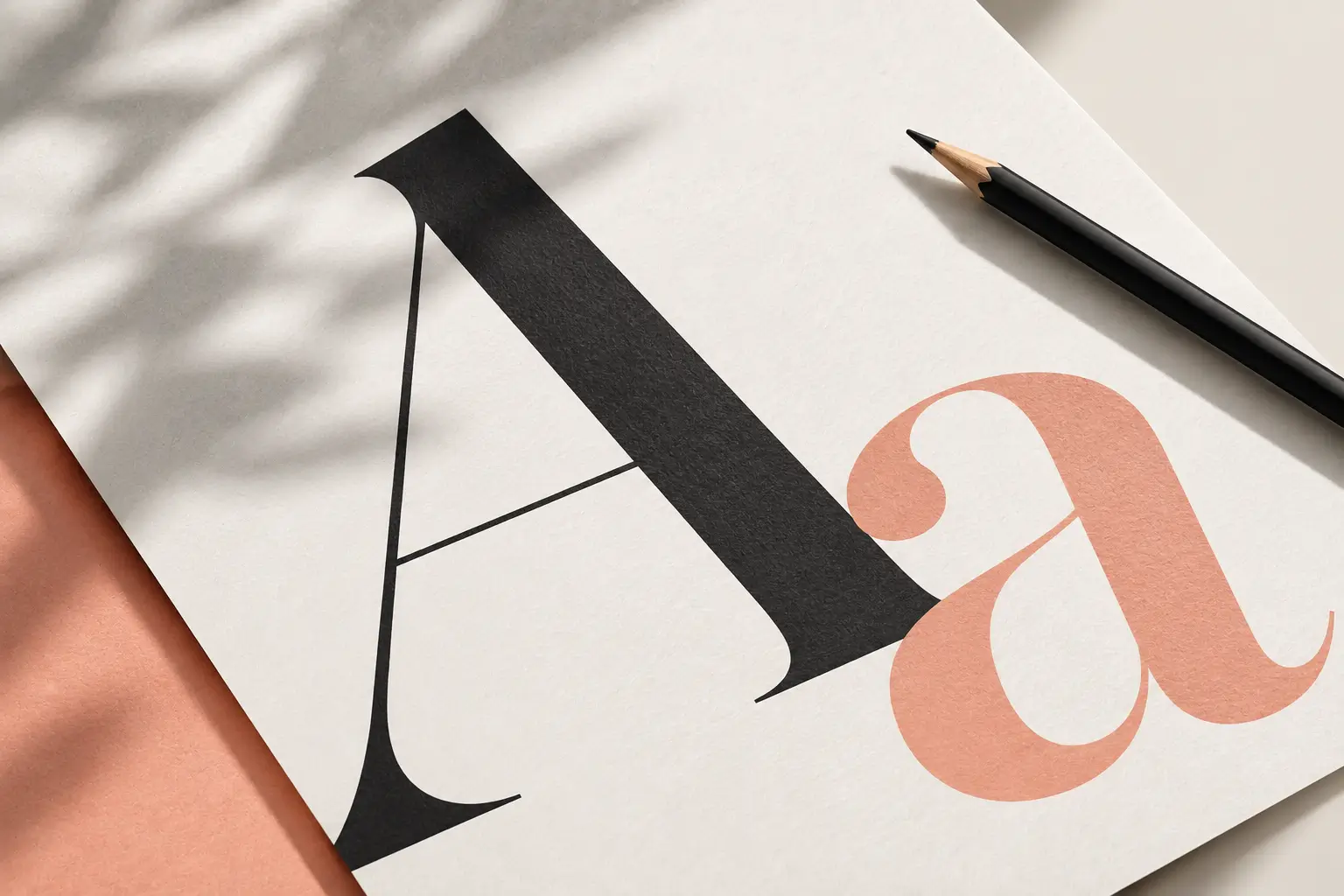
Typography serves as a fundamental pillar in the realm of graphic design, acting as the visual voice that communicates a brand’s message. When you consider the myriad of elements that contribute to a design, typography stands out as a crucial component that can either elevate or undermine the overall aesthetic. The choice of typeface, size, spacing, and alignment can significantly influence how your audience perceives the information presented. As you delve into the world of graphic design, you will find that typography is not merely about selecting a font; it is about crafting an experience that resonates with viewers.
In your designs, typography can create a hierarchy that guides the viewer’s eye through the content. By varying font sizes and styles, you can emphasise key messages and create a flow that enhances readability. This is particularly important in an age where attention spans are fleeting. You must ensure that your typography not only captures attention but also conveys clarity and purpose. The right typographic choices can evoke emotions, set the tone, and establish a connection with your audience, making it an indispensable tool in your design arsenal.
The Impact of Typography on Brand Identity
When you think about brand identity, typography plays a pivotal role in shaping how your brand is perceived. The fonts you choose can convey personality traits—whether it’s sophistication, playfulness, or modernity. For instance, a luxury brand may opt for elegant serif fonts to evoke a sense of tradition and exclusivity, while a tech startup might lean towards sleek sans-serif fonts to communicate innovation and forward-thinking. As you develop your brand identity, consider how typography can encapsulate the essence of your brand and differentiate it from competitors.
Moreover, consistency in typography across all platforms reinforces brand recognition. When your audience encounters your brand in various contexts—be it on social media, your website, or printed materials—they should immediately recognise your unique typographic style. This consistency not only strengthens brand recall but also builds trust with your audience. As you curate your brand’s visual identity, remember that typography is not just an aesthetic choice; it is a strategic decision that can significantly impact how your brand is perceived in the marketplace.
The Psychology of Typography in Graphic Design
Typography is deeply intertwined with psychology, influencing how people interpret and respond to visual information. Different typefaces can evoke distinct emotional responses; for example, rounded fonts often feel more approachable and friendly, while sharp-edged fonts may convey strength and authority. As you explore the psychological aspects of typography, consider how your choices can align with the emotions you wish to evoke in your audience. Understanding these nuances allows you to craft designs that resonate on a deeper level.
Furthermore, legibility plays a crucial role in the psychological impact of typography. If your audience struggles to read the text due to poor font choice or inadequate spacing, they may become frustrated and disengaged. This highlights the importance of selecting typefaces that not only align with your brand’s personality but also ensure clarity and ease of reading. By prioritising legibility alongside emotional resonance, you can create designs that effectively communicate your message while fostering a positive user experience.
Choosing the Right Typography for Your Brand
Selecting the right typography for your brand is a nuanced process that requires careful consideration of various factors. Start by defining your brand’s personality and values; this will serve as a foundation for your typographic choices. Are you aiming for a modern and minimalist look, or do you want to convey a sense of tradition and heritage? Once you have a clear understanding of your brand’s identity, you can begin exploring typefaces that align with those attributes.
It’s also essential to consider the context in which your typography will be used. Different mediums may require different typographic approaches; for instance, what works well on a website may not translate effectively to print materials. Experimenting with combinations of typefaces can also yield interesting results—pairing a bold headline font with a more understated body font can create visual interest while maintaining readability. As you navigate this process, don’t hesitate to seek feedback from peers or potential customers; their insights can provide valuable perspectives on how your typography resonates with your target audience.
Typography Trends in Graphic Design
As with any creative field, typography trends in graphic design are constantly evolving. Staying abreast of these trends can help you keep your designs fresh and relevant. One notable trend is the resurgence of vintage and retro typefaces, which evoke nostalgia and charm. Incorporating these styles into your designs can create a sense of warmth and familiarity that resonates with audiences seeking authenticity.
Another trend gaining traction is the use of custom typography. Brands are increasingly opting for bespoke typefaces that reflect their unique identity and values. This approach not only sets them apart from competitors but also fosters a deeper connection with their audience. As you explore current typography trends, consider how they align with your brand’s vision and whether they can enhance your overall design strategy.
The Importance of Consistency in Typography for Branding
Consistency in typography is paramount for establishing a cohesive brand identity. When you maintain uniformity in font choices across all platforms—be it digital or print—you create a seamless experience for your audience. This consistency reinforces brand recognition and helps build trust over time. As you develop your branding guidelines, be sure to specify font styles, sizes, and usage rules to ensure that everyone involved in creating content adheres to the same standards.
Moreover, consistent typography contributes to a professional appearance. When your materials feature mismatched fonts or erratic styles, it can detract from your credibility and make your brand appear less polished. By prioritising consistency in typography, you signal to your audience that you value attention to detail and professionalism—qualities that are essential for building long-lasting relationships with customers.
Typography and User Experience in Graphic Design
User experience (UX) is an integral aspect of graphic design, and typography plays a significant role in shaping that experience. When users interact with your designs—whether on a website or an app—their ability to easily read and comprehend text directly impacts their overall satisfaction. You must consider factors such as font size, line spacing, and contrast to ensure optimal readability across various devices.
Additionally, effective typography can guide users through content by creating visual hierarchies that highlight important information. By strategically using different font weights or styles for headings and subheadings, you can help users navigate complex information more easily. As you design with user experience in mind, remember that thoughtful typographic choices can enhance usability while reinforcing your brand’s identity.
How Typography Can Enhance Your Brand’s Message
Typography is not just about aesthetics; it is a powerful tool for enhancing your brand’s message. The right typeface can amplify the tone of your content and ensure that your message resonates with your audience. For instance, if you’re promoting an eco-friendly product, using organic-looking fonts may reinforce the message of sustainability and care for the environment. Conversely, if you’re launching a high-tech gadget, sleek and modern fonts can convey innovation and cutting-edge technology.
Moreover, typography can evoke emotions that align with your brand’s narrative. By carefully selecting typefaces that reflect the feelings you want to elicit—be it excitement, trust, or nostalgia—you can create a more impactful connection with your audience. As you craft your brand’s message through typography, consider how each choice contributes to the overall story you wish to tell; this will help ensure that every element works harmoniously to convey your intended message effectively.
In conclusion, typography is an essential aspect of graphic design that influences everything from brand identity to user experience. By understanding its role and impact, you can make informed decisions that enhance your designs and strengthen your brand’s message. Whether you’re selecting typefaces or establishing consistency across platforms, remember that thoughtful typographic choices can elevate your work and create lasting impressions on your audience.