
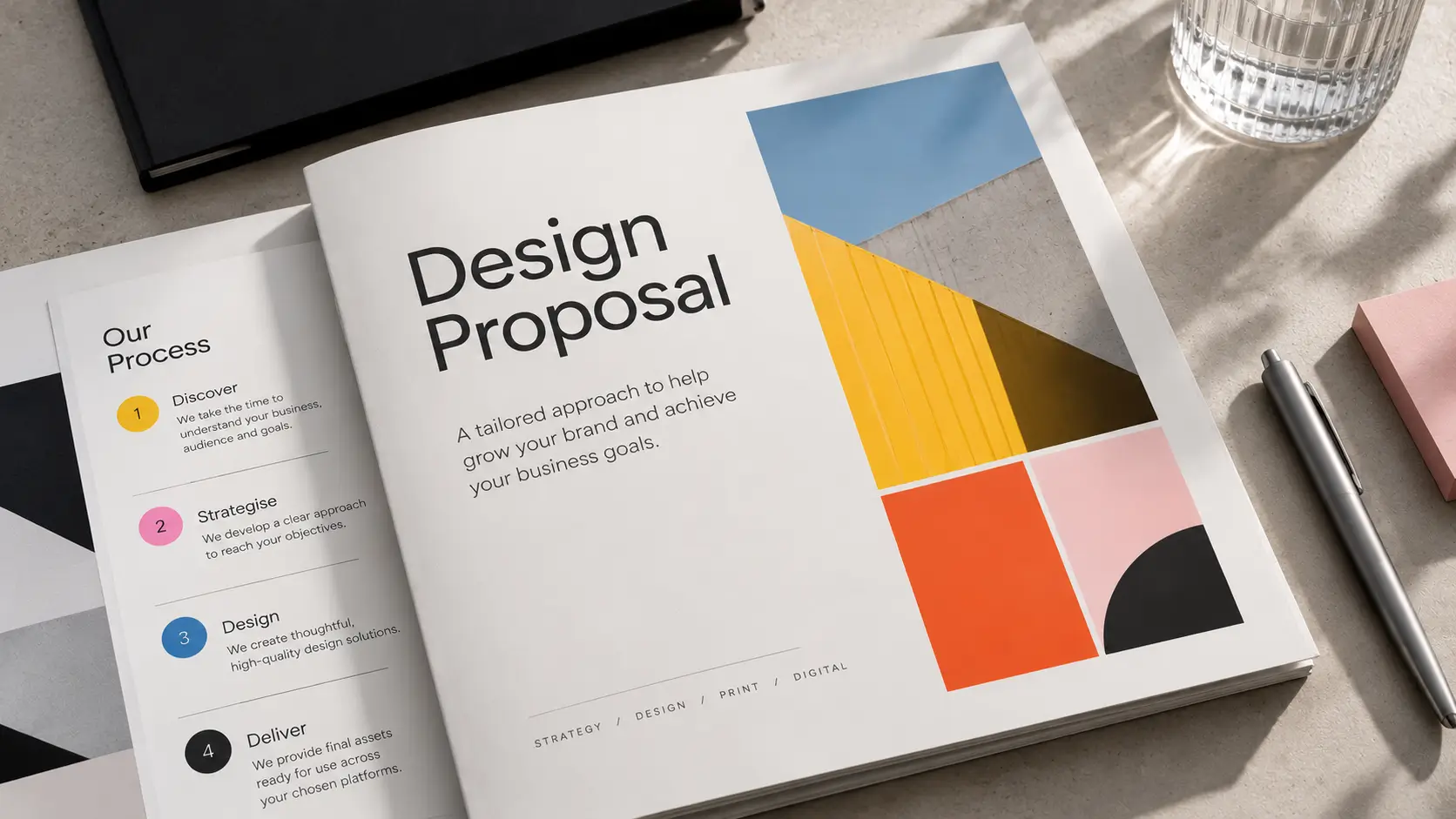
Before embarking on the journey of hiring a graphic designer, it is crucial to take a step back and reflect on your business needs and design goals. You must first identify what you hope to achieve through graphic design. Are you looking to create a new brand identity, develop marketing materials, or perhaps redesign your website? Each of these objectives requires a different approach and skill set from a designer. By clarifying your goals, you can ensure that you find a designer whose expertise aligns with your vision.
Moreover, understanding your target audience is equally important. Consider who you are trying to reach with your design work. What are their preferences, behaviours, and expectations? By having a clear picture of your audience, you can communicate more effectively with potential designers about the style and tone that will resonate with them. This foundational understanding will not only guide your discussions but also help you evaluate the suitability of various designers as you move forward in the selection process.
Researching Graphic Designers in NZ: Where to Start
Once you have a firm grasp of your business needs and design goals, the next step is to begin your search for graphic designers in New Zealand. Start by exploring online platforms that showcase creative professionals, such as Behance or Dribbble. These platforms allow you to view a wide array of portfolios from designers across the country, giving you an insight into their styles and capabilities. You can filter your search based on specific criteria, such as location or design specialisation, making it easier to find someone who fits your requirements.
Additionally, consider tapping into your professional network for recommendations. Colleagues, friends, or industry contacts may have worked with talented designers in the past and can provide valuable insights into their experiences. Personal referrals often lead to fruitful collaborations, as they come with a level of trust and assurance that can be hard to find through online searches alone. Combining both online research and personal recommendations will give you a well-rounded view of the graphic design landscape in New Zealand.
Evaluating Portfolios: What to Look for in a Designer’s Work
As you sift through various portfolios, it is essential to know what to look for in a designer’s work. First and foremost, pay attention to the diversity of their portfolio. A good designer should demonstrate versatility across different projects and styles. This adaptability indicates that they can tailor their approach to meet your specific needs while still maintaining a high standard of quality. Look for examples that resonate with your vision and reflect the type of work you wish to produce.
In addition to diversity, consider the overall aesthetic and craftsmanship of the designs. Are they visually appealing? Do they convey the intended message effectively? Take note of how well the designer understands colour theory, typography, and layout principles. These elements are crucial in creating designs that not only look good but also communicate effectively with your audience. By carefully evaluating these aspects, you can gain insight into whether a designer’s style aligns with your brand identity and objectives.
Checking Credentials and Professional Experience
Once you have narrowed down your list of potential designers, it is time to delve deeper into their credentials and professional experience. Start by examining their educational background and any relevant certifications they may hold. While formal education is not always necessary in the creative field, it can provide a solid foundation in design principles and techniques. Additionally, certifications from recognised institutions can demonstrate a commitment to ongoing professional development.
Beyond education, consider the designer’s work experience. How long have they been in the industry? Have they worked with clients similar to your business? A designer with a wealth of experience is likely to have encountered various challenges and learned how to navigate them effectively. This experience can be invaluable when it comes to executing your project successfully. Don’t hesitate to ask potential designers about their past projects and how they approached different design challenges; this will give you a clearer picture of their capabilities.
Assessing Communication Skills and Collaboration Style
Effective communication is paramount when working with a graphic designer. As you engage with potential candidates, pay attention to how they communicate with you during initial discussions. Are they responsive to your inquiries? Do they take the time to understand your needs? A designer who listens attentively and asks insightful questions is likely to be more invested in your project and better equipped to deliver results that align with your vision.
Furthermore, consider their collaboration style. Some designers prefer a more hands-on approach, while others may take a step back and allow clients to lead the process. Reflect on what type of collaboration would work best for you and your team. If you thrive on feedback and iterative processes, look for a designer who embraces collaboration and values client input throughout the design journey. Establishing clear communication channels from the outset will set the stage for a successful partnership.
Considering Budget and Pricing Structures
Budget considerations are an inevitable part of hiring a graphic designer. Before entering negotiations, it is essential to establish a clear budget for your project. This will help you narrow down your options and avoid wasting time on designers whose fees exceed your financial constraints. Keep in mind that graphic design pricing can vary significantly based on factors such as experience, project complexity, and the designer’s reputation.
When discussing pricing structures with potential designers, be sure to ask about their payment terms and any additional costs that may arise during the project. Some designers may charge hourly rates, while others may offer fixed pricing based on project scope. Understanding these details upfront will help you make informed decisions and avoid any unpleasant surprises later on. Remember that while it is important to stay within budget, investing in quality design can yield significant returns for your business in the long run.
Reviewing Client Testimonials and References
As you continue your search for the right graphic designer, take the time to review client testimonials and references. Feedback from previous clients can provide valuable insights into a designer’s work ethic, reliability, and overall performance. Look for testimonials that highlight not only the quality of the design work but also the designer’s ability to meet deadlines and communicate effectively throughout the project.
If possible, reach out directly to references provided by the designer. This allows you to ask specific questions about their experiences working with the designer and gain a deeper understanding of what it would be like to collaborate with them on your project. A designer who has consistently positive feedback from clients is likely to be someone who takes pride in their work and values client satisfaction.
Making the Final Decision: How to Choose a Graphic Designer NZ
After conducting thorough research and evaluations, it’s time to make your final decision on which graphic designer in New Zealand best suits your needs. Reflect on all the information you’ve gathered throughout the process—your business goals, the portfolios you’ve reviewed, communication styles, budget considerations, and client testimonials. Weigh these factors carefully before making your choice.
Ultimately, trust your instincts as well as the data you’ve collected. Choose a designer whose work resonates with you personally while also aligning with your business objectives. A successful partnership hinges not only on skills but also on mutual understanding and respect for each other’s vision. Once you’ve made your decision, communicate clearly with your chosen designer about expectations, timelines, and any other pertinent details to ensure a smooth collaboration moving forward.
In conclusion, selecting the right graphic designer in New Zealand requires careful consideration of various factors—from understanding your own business needs to evaluating potential candidates thoroughly. By following these steps diligently, you can find a designer who not only meets your requirements but also enhances your brand through exceptional design work.