
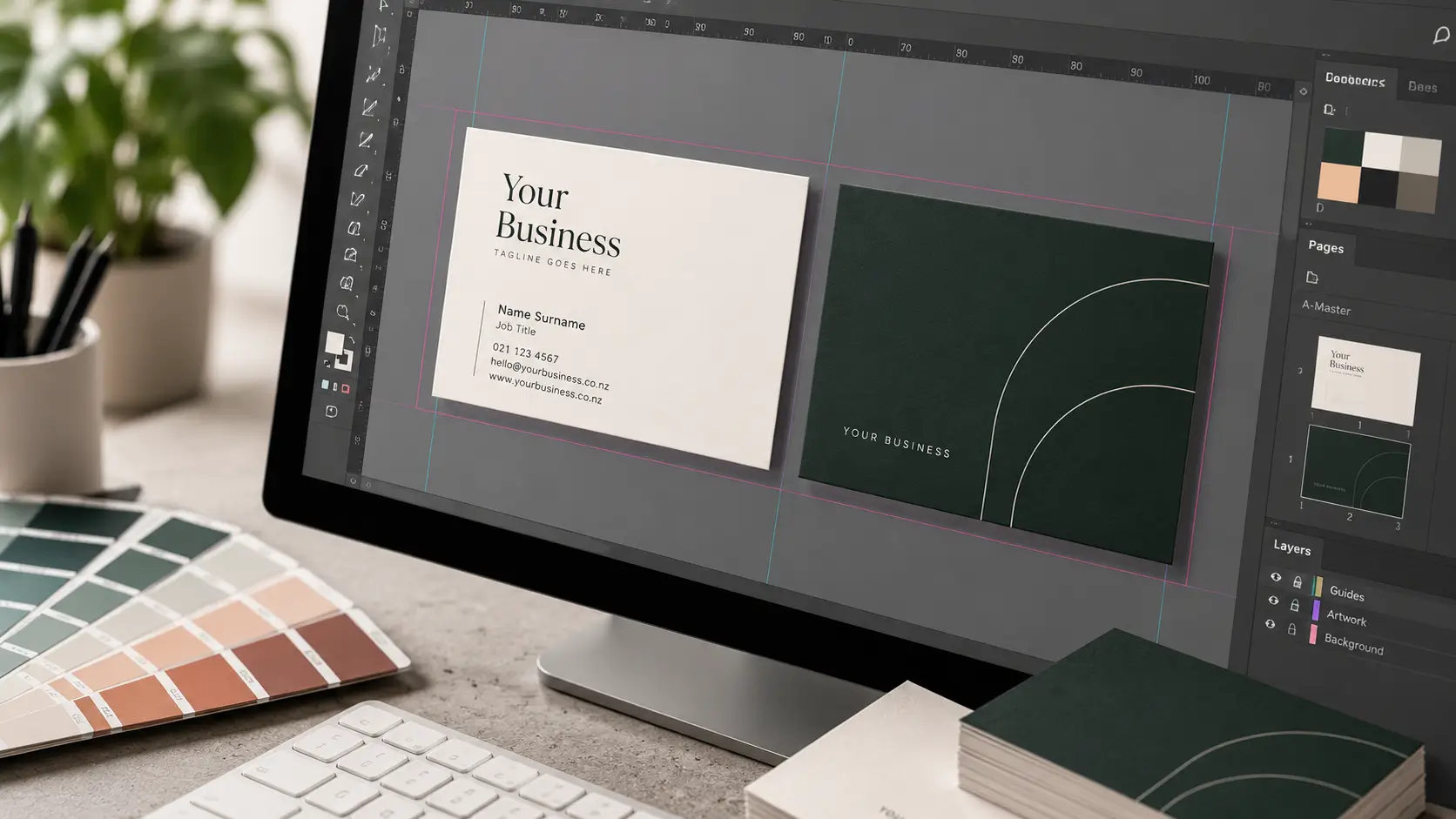
In the world of networking and professional interactions, your business card serves as a tangible representation of your brand. It is often the first impression you make on potential clients or partners, and as such, its design is crucial. A well-crafted business card can convey professionalism, creativity, and attention to detail, while a poorly designed one may leave a negative impression. Therefore, understanding the importance of business card design tips is essential for anyone looking to make a lasting impact in their industry.
When you consider that a business card is often exchanged during brief encounters, it becomes clear that its design must be both memorable and functional. You want your card to stand out in a stack of others, yet remain easy to read and understand. The right design can spark curiosity and encourage further conversation, making it an invaluable tool in your networking arsenal. By investing time and effort into the design of your business card, you are not just creating a piece of paper; you are crafting a powerful marketing tool that can open doors to new opportunities.
Choosing the Right Size and Shape for Impact
The size and shape of your business card play a significant role in how it is perceived. While the standard size of 85mm x 55mm is widely accepted, opting for a unique shape or size can help your card stand out from the crowd. Consider how you want to be remembered; a square card or a card with rounded corners can create a more modern and innovative impression. Alternatively, a vertical card might convey a sense of elegance and sophistication.
When selecting the dimensions of your card, think about practicality as well. A card that fits comfortably in wallets or cardholders will be more likely to be kept and referred to later. You should also consider how the size will affect the layout of your design elements. A larger card may provide more space for creativity but could also risk being overlooked if it doesn’t fit neatly into standard storage options. Ultimately, the choice of size and shape should align with your brand identity while ensuring functionality.
Selecting Colours That Reflect Your Brand Identity
Colour is one of the most powerful tools in design, capable of evoking emotions and conveying messages without the need for words. When designing your business card, selecting colours that reflect your brand identity is paramount. Think about the emotions you want to evoke in your audience; for instance, blue often conveys trust and professionalism, while red can signify passion and energy. Your colour palette should not only resonate with your brand values but also appeal to your target audience.
Moreover, consider how colours work together on your card. A harmonious colour scheme can enhance readability and visual appeal, while clashing colours may create confusion or discomfort. You might want to limit your palette to two or three primary colours to maintain a clean and cohesive look. Additionally, think about how colours will appear in print; what looks good on screen may not always translate well to paper. Testing colour combinations in print form can help ensure that your final product aligns with your vision.
Typography Tips: Making Your Text Clear and Readable
Typography is another critical aspect of business card design that should not be overlooked. The fonts you choose can significantly impact how your information is perceived. You want to select typefaces that are not only aesthetically pleasing but also easy to read at a glance. Avoid overly decorative fonts that may detract from the clarity of your message; instead, opt for clean, professional typefaces that reflect your brand’s personality.
When it comes to font size, ensure that all text is legible without straining the eyes. Your name and title should be prominent, while contact information can be slightly smaller but still easily readable. Additionally, consider using different font weights or styles to create a hierarchy within your text; for example, bolding your name can help it stand out against other information on the card. Ultimately, effective typography will enhance the overall design and ensure that your message is communicated clearly.
Incorporating Effective Visual Elements and Logos
Visual elements such as logos and graphics can significantly enhance the impact of your business card. Your logo serves as a visual representation of your brand and should be prominently featured on your card. Ensure that it is high-quality and appropriately sized so that it does not overwhelm other elements but remains easily identifiable. A well-placed logo can reinforce brand recognition and create a cohesive look across all your marketing materials.
In addition to logos, consider incorporating other visual elements that complement your brand identity. This could include subtle patterns, icons, or illustrations that add character without cluttering the design. However, it’s essential to strike a balance; too many visuals can distract from the core information you want to convey. Aim for a clean layout where visual elements enhance rather than detract from the overall message of your business card.
Using Quality Materials to Enhance Perceived Value
The materials you choose for your business card can greatly influence how it is perceived by others. A high-quality card stock not only feels more substantial but also conveys professionalism and attention to detail. When selecting materials, consider options such as textured finishes or thicker stocks that provide a tactile experience for the recipient. This added quality can leave a lasting impression and make your card more memorable.
Additionally, think about how different finishes can enhance the overall aesthetic of your card. Matte finishes offer a sophisticated look, while glossy finishes can make colours pop and create a vibrant appearance. You might also explore specialty materials such as recycled paper or plastic for an eco-friendly approach that aligns with modern values. Ultimately, investing in quality materials will elevate the perceived value of your business card and reflect positively on your brand.
Including Essential Information Without Cluttering
While it’s important to include essential information on your business card, you must also avoid cluttering the design. A clean layout allows recipients to quickly absorb key details without feeling overwhelmed. Start by identifying the most critical information you want to convey—typically this includes your name, job title, company name, phone number, email address, and website.
Once you have determined what to include, prioritise this information in terms of visibility and importance. Your name should be prominent, followed by your title and company name. Contact details can be smaller but should still be easily readable. Consider using icons for phone numbers or email addresses to save space while enhancing visual appeal. Remember that less is often more; leaving some white space around text can improve readability and create a more polished look.
Finishing Touches: Laminates, Embossing, and Other Effects
The finishing touches on your business card can elevate its overall design and make it truly stand out. Techniques such as laminating can add durability while providing a sleek finish that enhances colours and graphics. A matte laminate offers a sophisticated touch, while gloss can make colours appear more vibrant—consider which effect aligns best with your brand identity.
Embossing or debossing adds a tactile element that can create an impression of luxury and quality. This technique raises or lowers certain elements on the card’s surface, drawing attention to specific details like your logo or name. Additionally, foil stamping can introduce metallic accents that catch the light and add an eye-catching element to your design. These finishing touches not only enhance aesthetics but also contribute to an overall sense of professionalism that recipients will appreciate.
In conclusion, designing an effective business card requires careful consideration of various elements—from size and shape to colour choices and typography. By understanding the importance of each aspect and how they contribute to your brand identity, you can create a powerful tool that leaves a lasting impression on potential clients and partners alike. Investing time in thoughtful design will ensure that your business card stands out in a competitive landscape while effectively communicating who you are and what you represent.